

|
||
|
|
||
|
||
|
Update from Durham Police and Crime Commissioner... Trust in policing is earned one investigation at a time. |
||
|
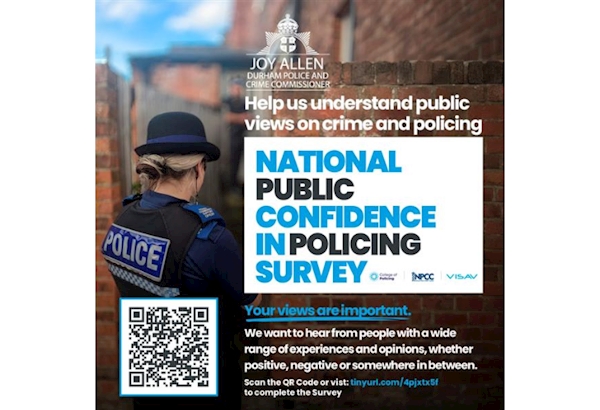
Would you report a crime if you thought nothing would come of it? It is a simple question, but it is at the heart of public confidence in policing. When people report crime, they expect to be listened to, taken seriously and kept informed. They expect their crime to be properly investigated, reasonable lines of enquiry pursued and, wherever possible, offenders brought to justice. That is why the newly published State of Policing 2025–26 report matters. His Majesty’s Chief Inspector of Constabulary warns that, nationally, too many victims are not receiving the quality of investigation or service they should expect. More starkly, forces must make urgent improvements to how they investigate crime and secure justice for victims. We should not be defensive about that challenge. We should respond to it. My Police, Crime and Justice Plan and the Chief Constable’s Plan make clear commitments to people across County Durham and Darlington: to deliver a first-class service to victims. Those commitments must be judged by people’s actual experiences. Was your call handled properly? Was your vulnerability recognised? Was your crime investigated thoroughly? Were you kept updated? Did you understand what happened and why? Not every crime can be solved. But every victim deserves confidence that their crime mattered and everything reasonable was done to investigate it. Right now, residents have a real opportunity to tell policing what they think because a national survey on trust and confidence in policing is asking people about their experiences of policing, crime and anti-social behaviour and what makes them feel more or less confident in the police. So, I want residents and businesses across County Durham and Darlington to take part and share whether your experience has been positive, or whether you believe policing needs to do better. You can access the survey through Keep in the Know or by simply scanning the QR code in the graphic below. We cannot improve confidence without understanding what people experience. And there is little point asking the public to speak up unless we are prepared to listen and act. As Police and Crime Commissioner, I do not direct individual investigations. Operational responsibility rightly rests with the Chief Constable. But I do have the power and responsibility to hold the Chief Constable to account for the effectiveness of policing and the service victims and communities receive. I will use HMICFRS inspection findings, performance data and, importantly, what residents tell me to challenge performance and drive improvement. Accountability does not stop with policing. HMICFRS rightly says reform must extend across the CPS, courts, prisons and probation. As Chair of our Local Criminal Justice Board, I will challenge those partners too. Victims do not experience separate organisations; they experience one journey through justice. The State of Policing gives us the national challenge. My responsibility is using the findings to inform local scrutiny, accountability, and action. Trust cannot be demanded or taken for granted. It is earned through what happens when people need the police most, one victim listened to, one crime properly investigated and one offender brought to justice at a time, helping to make our communities safer, stronger and more resilient to crime and anti-social behaviour.
| ||
Reply to this message | ||
|


|